


When Microsoft first introduced Copilot, it was positioned as a productivity enhancer – something that could summarise documents, rewrite content, or speed up everyday workflows. Useful, certainly, but not transformative.
Over time, however, we’re seeing Copilot evolve into something more strategic. Less of a glorified autocomplete, and more of a functional layer capable of handling real operational tasks, particularly for knowledge workers and analysts.
That shift is becoming clearer with the latest updates: the launch of Researcher and Analyst, two new agents designed to handle more complex reasoning tasks within Microsoft 365. Alongside this, Microsoft is rolling out enhanced personalisation, giving users a more responsive and context-aware experience.
These updates don’t change the security fundamentals (AI remains a tool that needs governance, not blind adoption) but it does mean the feature set is finally catching up with the enterprise hype.
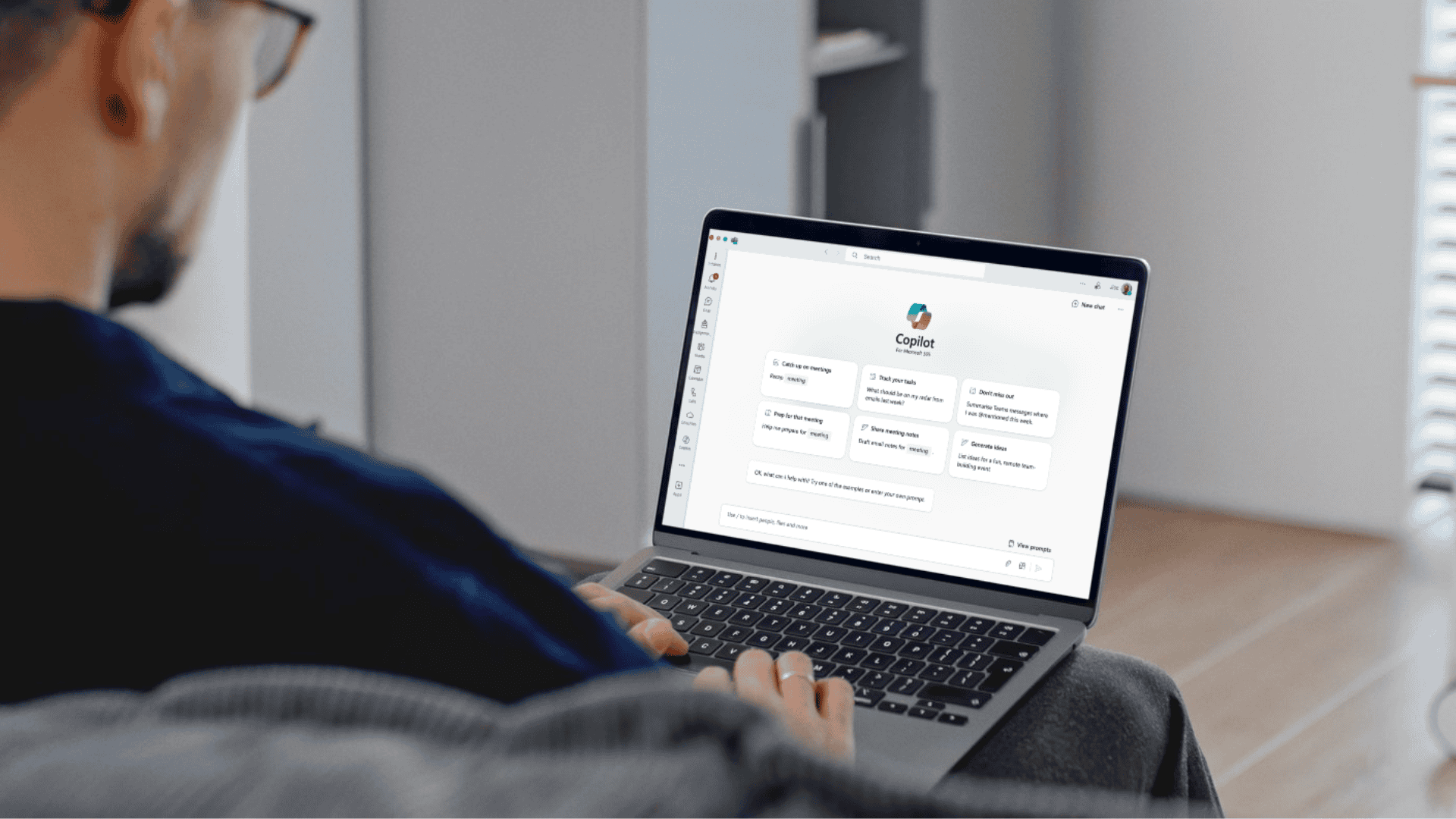
These two newest agents are now generally available for Copilot-licensed users:
These features are now built into the core Copilot app and provide up to 25 queries per user per month, depending on license terms.
For IT leaders, this is where things get more interesting, Copilot is no longer a single assistant – it’s turning into a framework of role-specific agents designed to support deeper business tasks.
Also landing in early September is Microsoft’s enhanced personalisation capability for Copilot – something I’m particularly looking forward to.
This includes:
Something to consider: This update is on by default for licensed users but can be controlled at the admin level. Microsoft has stated that memory and user data are managed with clear deletion controls – though, as always, organisations will want to verify policy alignment before enabling this widely.
While this isn’t a headline-grabbing feature, it’s a meaningful step forward – one that improves usability, especially for frequent Copilot users working on varied workloads across M365 apps.
As with any new capability, these updates should be assessed through a risk-aware lens. Here’s what to keep in mind:
| Feature | Considerations |
|---|---|
| Researcher Agent | Streamlines research workflows, but could pull from sensitive documents, admins should review data access policies |
| Analyst Agent | Adds real utility for data-heavy teams. Review code output processes and clarify who’s responsible for validation |
| Personalisation | Improves user experience, but requires trust in Microsoft’s handling of memory and context storage |
| Agent-Based Approach | Indicates that Microsoft sees AI as a long-term interface, policies will need to evolve to match that reality |
These Copilot developments aren’t flashy, and that’s a good thing. Rather than marketing-driven hype, we’re seeing small improvements that make Copilot more useful, more structured, and more aligned with the real needs of enterprise users.
That said, any time AI is making decisions, generating data, or accessing internal systems, it should be treated as part of your broader risk surface.
Adoption should be paired with:
From what I can see Copilot is becoming more capable, but that doesn’t mean it’s ready for unrestricted use across every department. As always, the value lies in controlled implementation.
If you’re looking to understand the risks in your estate – get in touch. We can help you assess where Copilot fits, what controls you need, and how to deploy it securely.